

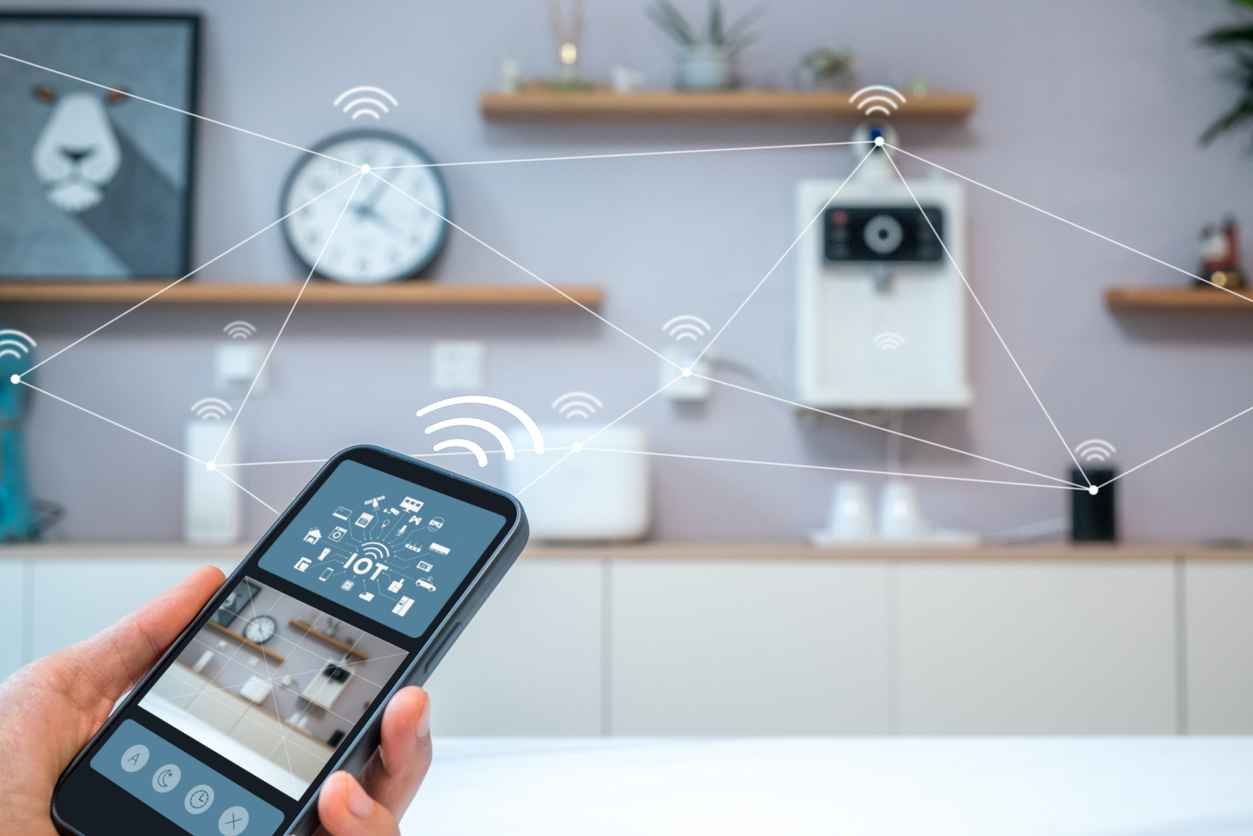
Smart devices have become part of modern life in ways many people now take for granted. A few years ago, using a phone to control lights, asking a speaker for the weather, tracking sleep with a watch, or checking a doorbell camera from another city felt futuristic. Today, these habits are becoming normal for households, workers, students, travelers, and small business owners.
A smart device is any device that connects to the internet or another digital system to collect information, respond to commands, automate tasks, or communicate with other devices. Smartphones are the most obvious example, but smart technology now includes watches, TVs, speakers, thermostats, security cameras, kitchen appliances, health trackers, cars, home assistants, and even household cleaning tools.
The growth of smart devices is not only about convenience. These tools are changing how people manage time, protect homes, monitor health, shop, communicate, work, and entertain themselves. While they also raise questions about privacy, cost, and overdependence, their impact on everyday life is already clear.
1. Smart Devices Are Making Homes More Convenient
One of the biggest changes smart devices have brought is convenience inside the home. People can now control many parts of their living space through a phone app or voice command.
Smart lights can be turned on, dimmed, or scheduled automatically. Smart thermostats can adjust temperature based on daily routines. Smart plugs can turn ordinary appliances into connected devices. Smart speakers can play music, answer questions, set timers, and control other devices.
This kind of convenience may seem small, but it changes daily habits. Instead of walking around the house to switch off lights, a person can do it from bed. Instead of wondering whether an appliance was left on, they can check through an app. Instead of setting multiple alarms or reminders manually, they can ask a voice assistant to handle it.
For busy families, remote workers, elderly people, and people with mobility challenges, smart home convenience can be more than a luxury. It can make daily living easier and more manageable.
2. They Are Improving Home Security
Smart security devices are changing how people protect their homes. Traditional locks, alarms, and cameras still matter, but connected devices offer more control and visibility.
Smart doorbells allow homeowners to see who is at the door, even when they are not home. Smart cameras can send alerts when they detect movement. Smart locks can be controlled remotely, allowing trusted people to enter without needing physical keys. Smart alarm systems can notify users immediately if something unusual happens.
This has made home security more active. Instead of only reacting after a problem occurs, people can monitor their property in real time. A parent can check whether children arrived home safely. A traveler can watch over their house while abroad. A small business owner can monitor a shop after closing hours.
However, smart security also requires responsibility. Strong passwords, software updates, and secure Wi-Fi networks are important because connected security devices can also become targets if poorly protected.
3. Wearables Are Changing Personal Health
Smartwatches and fitness trackers have made health monitoring part of everyday life. These devices can track steps, heart rate, sleep patterns, exercise, calories, blood oxygen levels, and stress indicators.
For many people, wearables create awareness. Someone who sits for too long may receive a reminder to move. A person trying to improve sleep can review patterns and adjust bedtime habits. Fitness users can track progress and stay motivated.
Wearables do not replace doctors or medical advice, but they can help people notice changes earlier and build healthier routines. They can also encourage preventive habits by making health data visible.
For older adults or people with certain health risks, some smart devices can provide emergency alerts, fall detection, or heart rhythm notifications. This adds another layer of safety and independence.
The future of wearable devices will likely move beyond simple fitness tracking. As sensors improve, smart devices may become even more useful for everyday health management.
4. Smart Devices Are Changing How People Work
Smart technology is also affecting productivity. Smartphones, tablets, wireless earbuds, smart monitors, cloud-connected printers, and AI-powered assistants have changed how people work from home, offices, cafes, and while traveling.
Remote work has made connected devices even more important. A person can join a video meeting from a phone, review documents on a tablet, receive notifications on a smartwatch, and use smart earbuds for calls in noisy places.
Smart devices help workers stay connected and flexible. They make it easier to respond quickly, manage schedules, take notes, and collaborate with others.
For small business owners, these devices can be especially valuable. A business owner can process payments with a mobile device, monitor inventory, respond to customers, post on social media, and manage appointments without being tied to a desk.
The workplace is becoming more mobile, and smart devices are helping people work from almost anywhere.
5. They Are Transforming Entertainment
Entertainment has changed significantly because of smart devices. Smart TVs, streaming sticks, wireless speakers, gaming devices, tablets, and voice-controlled systems have made entertainment more personalized and accessible.
People no longer need to rely only on scheduled television programs. They can stream movies, listen to podcasts, play games, follow live events, and watch videos on demand. Smart TVs can recommend shows based on viewing habits, while smart speakers can create playlists instantly.
This has changed how families and individuals spend leisure time. Entertainment is now more flexible and personalized. A person can start watching a movie on a TV, continue on a tablet, and listen to related content on a smart speaker.
The downside is that constant access to entertainment can increase screen time. As smart devices become more engaging, people may need to be more intentional about balance.
6. Smart Kitchens Are Making Cooking Easier
Smart technology is also entering the kitchen. Smart ovens, air fryers, refrigerators, coffee makers, scales, and recipe apps are making cooking more convenient.
A smart oven can suggest cooking settings. A connected coffee machine can prepare coffee at a scheduled time. A smart refrigerator can help track food items or remind users about groceries. Voice assistants can read recipes aloud while someone cooks.
For people who are busy or still learning to cook, these tools can reduce mistakes and save time. They can also support healthier eating by making meal planning and food tracking easier.
Smart kitchen devices are not essential for everyone, but they show how technology is moving into ordinary household tasks.
7. They Are Supporting Energy Efficiency
Smart devices can help people manage energy use more effectively. Smart thermostats, lights, plugs, and appliances can reduce waste by operating only when needed.
For example, lights can turn off automatically when no one is in a room. A thermostat can reduce heating or cooling when people are away. Smart plugs can prevent devices from consuming unnecessary standby power.
These small changes can help reduce electricity bills over time. They can also support more sustainable living by encouraging better energy habits.
For small businesses, energy-saving smart devices can also reduce operating costs. Offices, shops, and rental properties can use smart systems to monitor and control energy use more efficiently.
8. Smart Devices Are Changing Shopping Habits
Shopping has also been influenced by smart devices. Smartphones allow people to compare prices, read reviews, scan products, use digital wallets, and order items from anywhere.
Smart speakers can add products to shopping lists. Wearables can support contactless payments. Smart refrigerators and home assistants may help users remember what they need to buy.
This has made shopping faster and more informed. Customers can research before buying, receive personalized recommendations, and complete purchases without visiting a physical store.
For businesses, this means customer expectations are changing. People now expect easy mobile shopping, fast payment options, accurate product information, and smooth digital experiences.
9. They Are Helping People Stay Connected
Smart devices have changed communication. Phones, watches, tablets, smart displays, and connected speakers allow people to call, message, video chat, and share updates instantly.
Families separated by distance can stay in touch more easily. Remote teams can collaborate across countries. Travelers can navigate unfamiliar places, translate languages, and contact others quickly.
Smart devices have made communication faster and more visual. Video calls, voice notes, location sharing, and instant alerts are now part of daily life.
At the same time, constant connectivity can be overwhelming. Notifications, messages, and alerts can interrupt focus. This makes digital boundaries more important.
10. Privacy and Security Are Becoming More Important
As smart devices become more common, privacy and security concerns are growing. These devices often collect data about habits, locations, health, voice commands, and home activity.
Users need to understand how their data is stored, shared, and protected. A smart device can be useful, but it should also be secure. People should use strong passwords, enable two-factor authentication where possible, update software regularly, review app permissions, and buy from trusted brands.
Privacy will become a major part of the smart device conversation. As more homes and businesses become connected, people will need to balance convenience with control over personal information.
Final Thoughts
Smart devices are changing everyday life by making homes more convenient, improving security, supporting health, transforming work, personalizing entertainment, simplifying cooking, saving energy, changing shopping, and improving communication.
Their biggest value is not just that they are “smart.” It is that they help people save time, make better decisions, and manage daily routines more easily. For small businesses and households, smart devices can improve efficiency and create new possibilities.
However, smart technology should be used thoughtfully. Convenience should not come at the cost of privacy, security, or balance. The best approach is to choose devices that solve real problems, protect personal data, and make life genuinely easier.
As smart devices continue to evolve, they will become even more connected, intelligent, and personalized. The future of everyday life will likely be shaped by homes, workplaces, and personal routines that respond more naturally to the people using them.